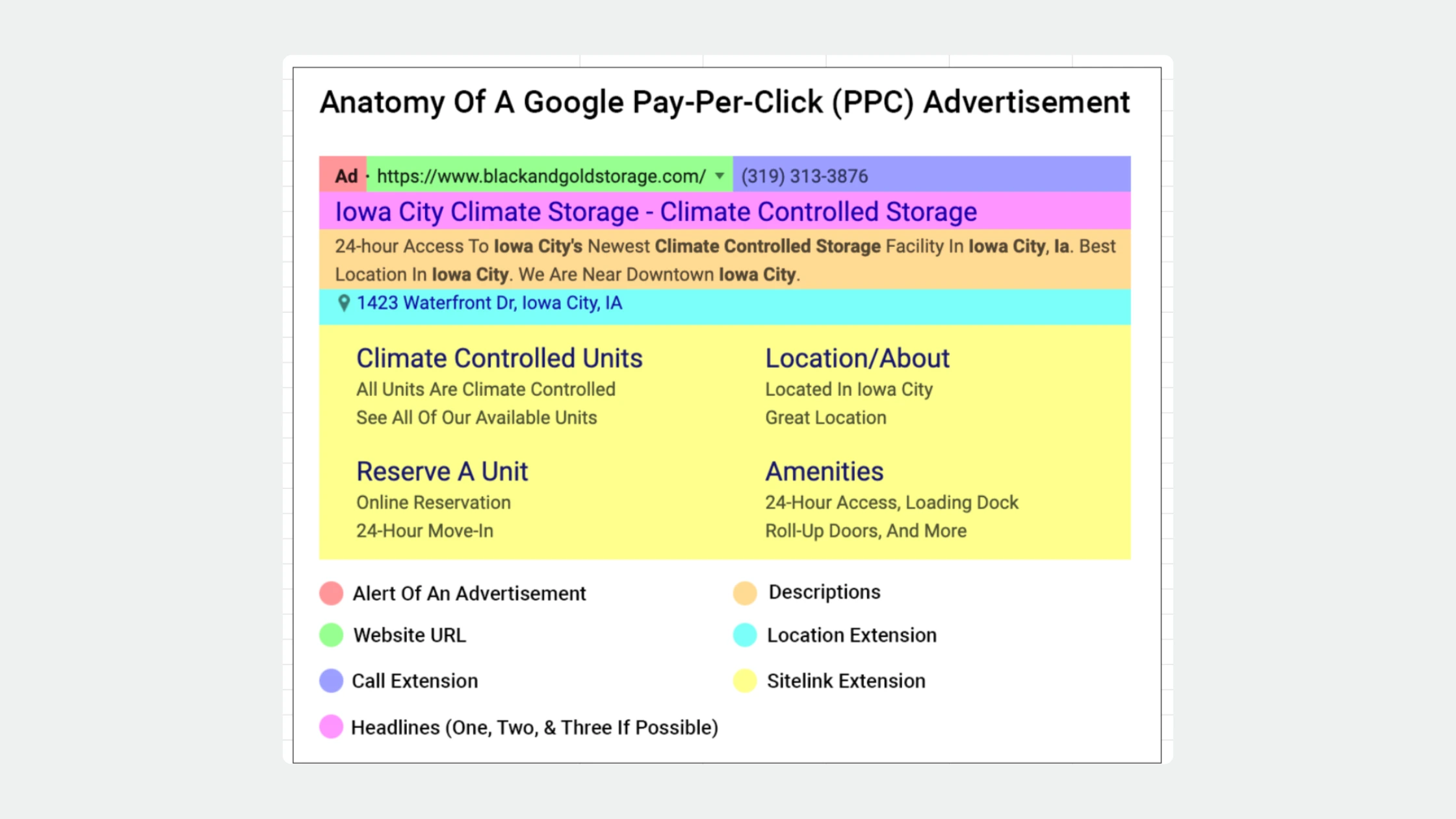
Digital marketing is evolving rapidly, requiring advertisers to constantly optimize their campaigns. An effective tool recently introduced is responsive search ads (RSA), which offer flexibility and adaptability of ads on Google.
However, many advertisers don't know how many RSAs they can create in an ad group or what practices to adopt to maximize their effectiveness. This article answers these questions so you can use RSAs effectively.
Maximum number of responsive search ads in Google Ads
Google Ads allows the creation of up to three responsive ads per ad group. This number is meant to balance flexibility with ad quality. Too much RSAs can dilute the message or reduce the overall impact.
Keep this limit in mind when creating your ad groups and testing RSA combinations.
Why is Google limiting RSAs to 3 per ad group?
Clarity of performance data
Google imposes this limit to ensure that performance data remains clear and usable, without overloading the optimization process. With too much RSA, data is diluted, making it difficult to identify the best performing titles and descriptions.
Train their algorithms effectively
Additionally, Google's machine learning algorithms require enough data to effectively test and refine ad combinations. Too many RSAs slows optimization and decreases accuracy.
Helping amateur advertisers
Finally, too much RSAs can generate inconsistent messaging and branding, contributing to the multiple most common mistakes advertisers make. Limiting their number helps them to offer more consistent advertising messages while allowing sufficient variation to carry out tests.
Practical advice for advertisers
Start by creating a single RSA per ad group and analyzing its performance. Once you have enough data, add a second and possibly a third RSA to diversify your messages while keeping your campaign manageable. Experiment with different themes, calls to action, or benefits to determine what resonates best with your audience.
Understanding responsive search ads
RSAs offer several benefits, including the dynamic combination of titles and descriptions to meet search intent. This increases the relevance of your advertising content, leading to higher engagement and conversion rates.
RSAs allow up to 15 titles and 4 descriptions, with limits of 30 characters for titles and 90 for descriptions. During search auctions, Google's algorithm selects the best combination for each user.
Best practices for RSA
Create varied titles
Write titles that target different needs or benefits, such as:
- Focused on profits: “Save time with our cleaning services”
- Focused on weak spots: “No more stubborn stains”
- Call to action: “Book your free estimate today”
Use keywords strategically
Incorporate the powerful keywords from your campaigns into one or two of your titles. For example, if you're targeting “luxury skincare products,” include this keyword explicitly.
Avoid fixing too many positions
Set specific positions only if necessary (for example, for compliance messages). Too many fixings limit Google's automatic testing, which can hurt performance.
Include clear calls to action
Use strong, action-oriented language, such as:
- “Buy now and take advantage of exclusive offers”
- “Contact us for a free consultation”
- “Order today and save 15%”
Impact of AI on RSA performance
How algorithms optimize RSAs
Google's algorithm evaluates user behavior, search intent, and historical data to select the best combinations of titles and descriptions at each auction. For example, a user looking for “affordable wedding venues” might see an ad with the title “Budget Wedding Packages” and a description that focuses on savings.
Importance of leaving time for optimization
Google machine learning requires time to gather enough data and refine performance. Avoid frequent changes to RSAs, as this resets the learning phase and delays optimization.